

Water conservation and efficiency in overhead tank systems
In response to the critical need for water conservation, India has proactively launched multiple substantial initiatives to manage its water resources effectively. The government notably initiated the Jal Shakti Abhiyan in 2019. This nationwide campaign aims to enhance rainwater harvesting and strengthen water conservation measures, especially in the country's water-stressed districts. It also aims at rejuvenating water bodies and encouraging afforestation. Also, there are ongoing watershed management programmes. These programmes strive to preserve water in rural areas, curtail soil erosion, and boost groundwater levels.
Efforts are also being made to restore traditional water bodies and structures such as stepwells, ponds, and check dams. The restoration of these structures can significantly enhance local water availability. India has also taken steps to inform its citizens about the importance of water conservation through public awareness campaigns.
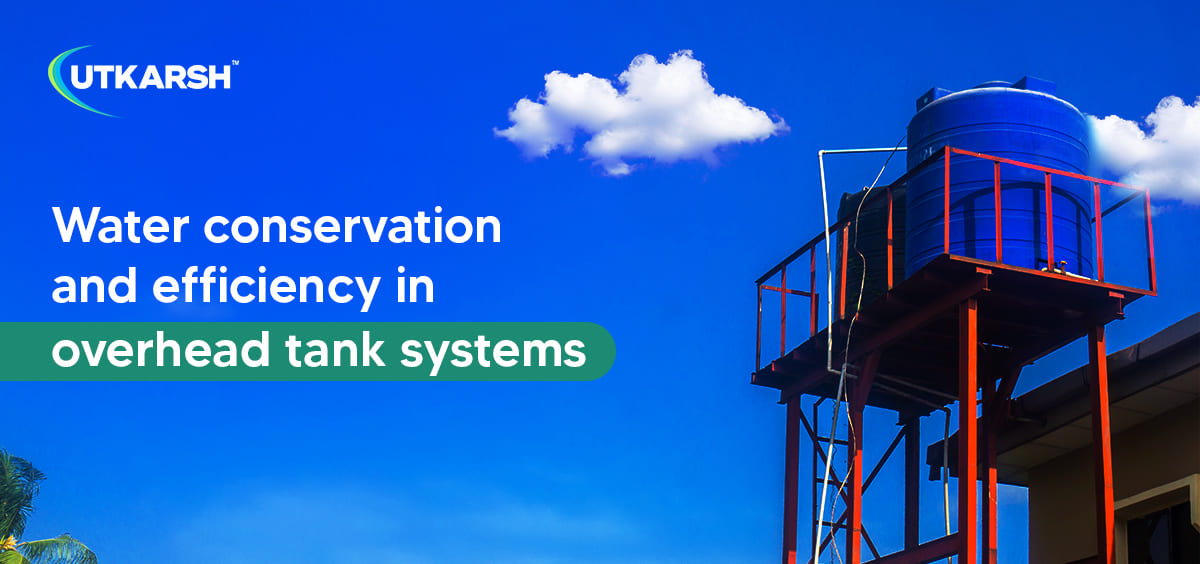
One area where significant improvements can be made is in the management of overhead tank systems. These systems, commonly used for water storage and distribution in residential, commercial, and industrial buildings, play a vital role in water conservation and efficiency. Here, we share some insights related to water efficiency and conservation in overhead water tank systems:
1. Rainwater harvesting
Rainwater harvesting is an effective method of conserving water and reducing dependence on freshwater sources. Buildings fitted with systems that capture and direct rainwater into overhead tanks can utilise this easily accessible and cost-free resource for non-potable applications. Implementing rainwater harvesting doesn't just ease the strain on urban water supplies; it also helps mitigate stormwater runoff and erosion.
2. Dual plumbing system
A dual plumbing system segregates water distribution into two separate lines: one for drinking water and another for non-drinking water. The non-potable water line, which could incorporate rainwater and repurposed greywater, can be stored in an overhead tank for a variety of non-drinking applications. The implementation of a dual plumbing system allows buildings to markedly reduce their dependency on drinkable water resources.
3. Efficient distribution systems
The distribution network of an overhead tank is key to implementing effective water conservation and efficiency strategies. It directs water flow and minimises wastage, making the network's efficiency vital. Adequate pipe sizing and pressure regulation within the system can prevent supply issues and potential leaks. Incorporating a strong leak detection system and conducting regular inspections and maintenance also ensure optimal performance, contributing to the prompt identification and resolution of potential problems.
4. Automation and level monitoring systems
In numerous overhead tank systems, excessive water usage or overflow often leads to waste. The integration of level monitoring and automation technologies can optimise water use and curtail wastage. Sensors designed to monitor water levels can be fitted in the tank to keep precise track of the water level and activate automatic shut-off procedures once the tank is filled to the desired capacity. This method not only stops overfilling but also removes the need for manual intervention.
5. Upgrading and retrofitting
In existing buildings with outdated overhead tank systems, retrofitting and upgrading can be carried out to enhance water conservation and efficiency. Retrofitting typically involves the modification of existing equipment to incorporate new technologies or features. For instance, an old overhead tank system could be retrofitted with modern sensors and automation technologies that monitor water levels and prevent overflow. Other additions might include automatic shut-off valves or advanced filtration systems for recycling water.
Upgrading could include a more extensive overhaul of the entire system. This might involve replacing old, leak-prone pipes with new, more durable materials or improving the insulation around the tank to prevent heat-related evaporation.
6. Proper water treatment to limit water wastage
In areas where water quality is a concern, incorporating water treatment and purification systems in the overhead tank setup is essential. These systems can remove impurities, bacteria, and contaminants from the water, making it safe for various uses. By ensuring that the stored water meets the required quality standards, buildings can avoid unnecessary wastage resulting from the rejection of contaminated water.
In addition to overhead water tanks, water towers play an important role in water distribution and emergency storage. They can indirectly contribute to water conservation through various mechanisms. A water tower is a raised structure that houses a water tank at a height adequate to create pressure for a water distribution system. This pressurised system is used to distribute potable water. Additionally, the water tower also serves as an emergency storage unit for fire protection purposes.
Looking for a quality overhead water tank structure?
Explore our Overhead Water Tank Structure. We manufacture Jal Minar, a series of water tank structures constructed from galvanised steel, designed to elevate your water tanks with durable, rust-resistant support. These steel structures, crafted from premium-grade raw materials, are built to last, providing a cost-effective solution. With a production capacity exceeding 1000 water tank structures monthly, we ensure rapid delivery times.