

Fire Sprinkler Pipe: Types, Materials, and Selection Guide
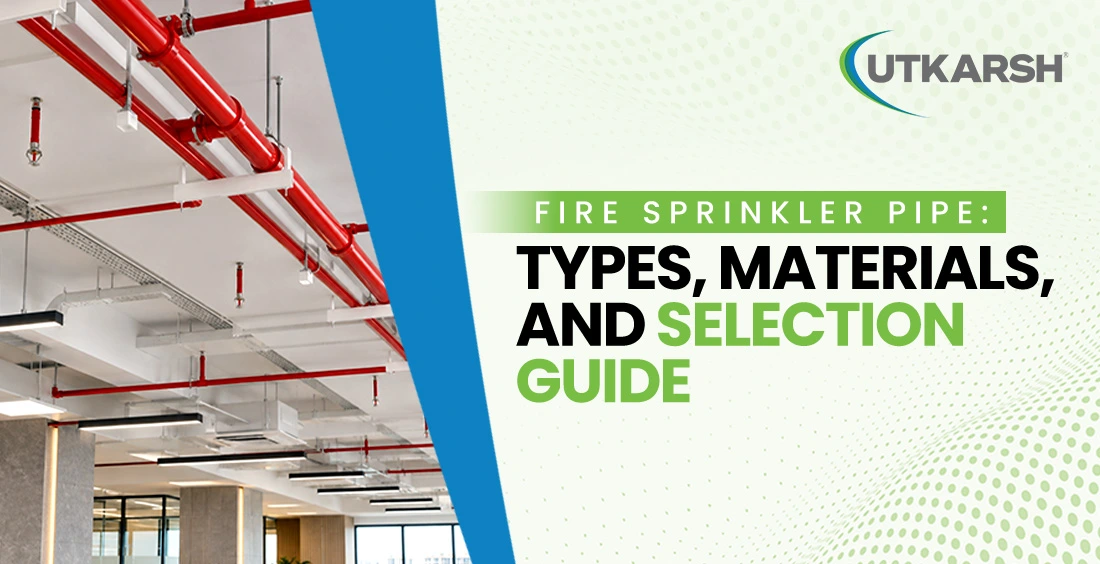
In modern building safety, few installations are as critical as a fire sprinkler system. When a blaze breaks out, these systems buy time and save lives by dousing flames early. While standard discussions focus on sprinkler heads or alarm triggers, the backbone of the entire setup is the piping network.
Selecting the right sprinkler pipe ensures high water pressure, zero leaks, and years of corrosion-free performance. This comprehensive guide covers material options, system configurations, and practical selection tips to help you build a safe facility.
What is a Fire Sprinkler Pipe?
A fire sprinkler pipe forms the conduit framework of an active fire protection piping system. Installed along ceilings or behind walls, these pipes stay filled with pressurized water or air. When heat triggers a sprinkler head, the piping delivers water directly to the target zone.
Because these systems must operate without fail during emergencies, the piping material must endure high pressure, intense thermal conditions, and constant exposure to oxygen and water.
Key Materials Used in Fire Protection Piping
Choosing the correct material depends on space constraints, atmospheric corrosion risks, and local building codes. Here are the primary materials used in modern fire suppression networks:
1. Galvanized Iron (GI) and Steel Pipes
Steel fire sprinkler pipe variants, specifically Hot-Dip Galvanized Iron (GI) pipes made through a complete galvanisation process of manufacturing, remain the industry benchmark for commercial and industrial structures.
Pros: Exceptional tensile strength, extreme heat tolerance, high crush resistance, and minimal thermal expansion. The zinc coating prevents internal and external rusting.
Cons: Heavier than plastic alternatives; requires skilled fitting and installation.
2. Black Steel Pipes
Uncoated black steel pipes are widely used in closed wet-pipe systems where oxygen levels stay low, reducing the risk of internal rust.
Pros: Highly durable, cost-effective for large industrial layouts, and withstands elevated temperature levels.
Cons: Susceptible to corrosion if exposed to fresh air or oxygenated water repeatedly.
3. CPVC (Chlorinated Polyvinyl Chloride)
CPVC is a light plastic pipe material used primarily in light-hazard residential setups.
Pros: Lightweight, easy to join using chemical solvents, and naturally immune to rust.
Cons: Lower temperature threshold; cannot be used in open high-hazard areas without direct heat protection.
Types of Fire Sprinkler Systems
To choose the right piping material, you must first understand how different fire suppression systems distribute water:
| System Type | Operating Mechanism | Best Suited For | Ideal Piping |
|---|---|---|---|
| Wet Pipe Systems | Constant water pressure inside pipes for instant response. | Heated offices, homes, standard commercial buildings. | GI / Steel Pipes, CPVC |
| Dry Pipe Systems | Pressurized air or nitrogen holds back water until a trigger drops pressure. | Unheated warehouses, cold zones, areas prone to freezing. | Galvanized Steel Pipes |
| Deluge Systems | Open nozzles discharge vast volumes of water across all heads simultaneously. | Chemical plants, high-hazard facilities, fuel storage. | High-grade GI / Steel Pipes |
| Pre-Action Systems | Dual-trigger setup requires alarm activation before water enters pipes. | Data centers, museums, cleanrooms to prevent accidental spills. | Galvanized Steel Pipes |
How to Select the Right Fire Sprinkler Pipe
Selecting the ideal piping infrastructure requires evaluating several critical factors:
- Hazard Classification: High-hazard environments like chemical plants demand robust steel fire sprinkler pipe options like GI pipes that handle extreme temperatures and pressures.
- Corrosion Resistance: In humid regions or dry-pipe setups where moisture sits inside air-filled tubes, Hot-Dip Galvanized Iron pipes offer long-lasting rust defense.
- System Working Pressure: Industrial fire pumps exert massive pressure on pipe walls during activation. Metallic pipes maintain structural integrity under sudden hydraulic shock.
- Code Compliance: Always verify that the chosen pipes conform to recognized safety standards like BIS, IS 1239, or UL specifications.
About Utkarsh India
With over 40 years of manufacturing excellence and a nationwide team of 100+ engineers, Utkarsh India Limited is a premier infrastructure manufacturer. Backed by ISO certifications, state-of-the-art hot-dip galvanization facilities, and rigorous quality testing, Utkarsh India delivers certified GI fire sprinkler pipe engineered for maximum durability, heat resistance, and fire safety compliance.
Frequently Asked Questions
Why are GI pipes preferred for fire sprinkler systems?
GI (Galvanized Iron) pipes feature a protective zinc coating applied through hot-dip galvanization. This layer shields the steel substrate against rust, environmental wear, and internal corrosion, ensuring a reliable water path for decades.
Can steel pipes be customized for specific project requirements?
Yes. Manufacturers offer customized wall thicknesses, nominal diameter sizes, and specialized end-threading or grooving options to fit custom commercial and industrial designs.
What maintenance is required for fire protection piping?
Regular visual checks for corrosion, hydro-testing, pressure testing, and periodic flushing prevent sediment buildup and guarantee immediate readiness during emergencies.