

How Galvanized Steel Improves the Durability of Overhead Water Tank Structures
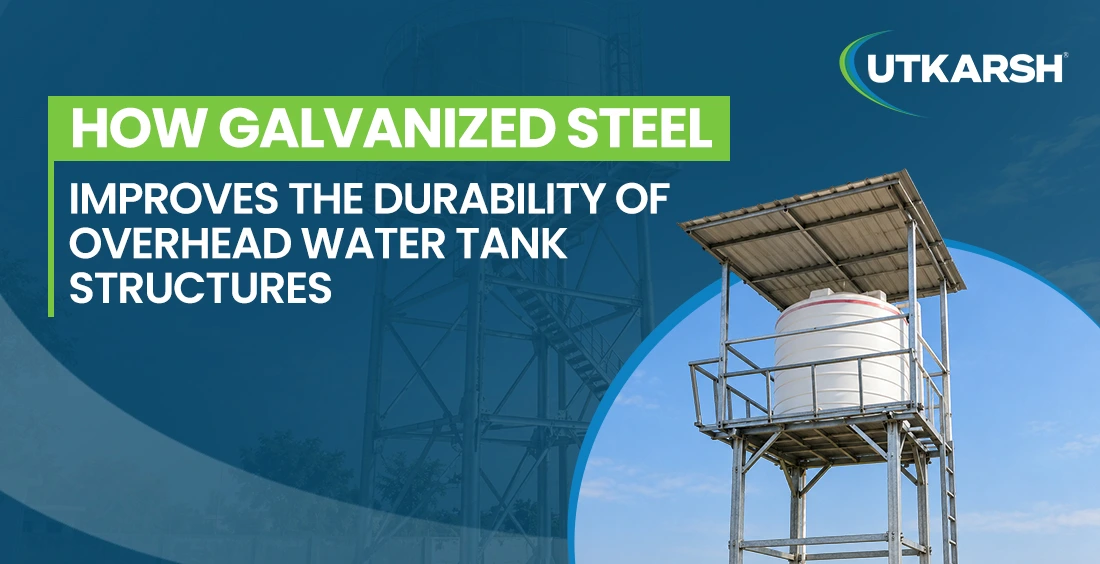
Water is essential for daily life, but delivering it with steady pressure requires proper planning. An overhead water tank relies on gravity to supply water to homes, farms, and industrial plants. To keep these tanks safe and elevated, you need a strong support system.
This support frame, often called a water tank tower structure or steel water tank tower, must withstand heavy loads, harsh weather, and constant exposure to moisture.
Using a galvanized steel structure is one of the best ways to build a long-lasting overhead water tank tower. Galvanization adds a protective layer of zinc that prevents rust and structural failure.
Here is how galvanized steel extends the life of overhead water tank frameworks and why it is the top choice for modern water infrastructure.
What is a Galvanized Steel Structure?
A galvanized steel structure is a steel frame coated with a thin layer of zinc. This process, usually done through hot-dip galvanizing, creates a bond between the zinc and the steel core.
The zinc layer acts as a barrier against moisture, oxygen, and chemicals. Even if the outer surface gets scratched, the zinc corrodes first, keeping the steel underneath safe from damage.
Why is Structural Durability Essential for Water Towers?
An overhead water tank holds thousands of litres of water. Water is extremely heavy; one thousand litres equals one metric ton.
The water tank tower structure must support this constant weight without bending, shifting, or weakening over time. It must also resist external environmental factors like:
- Heavy rain and high humidity
- Extreme sun exposure and temperature shifts
- High wind loads in open regions
- Corrosive salty air in coastal zones
If a steel water tank tower corrodes, its load-bearing capacity drops. A weakened frame poses serious safety risks and leads to expensive repairs.
Benefits of Galvanized Steel for Overhead Water Tank Towers
1. Superior Resistance to Rust and Moisture
An overhead water tank operates in a wet environment. Condensation, spills, and rainwater constantly expose the water tank tower structure to moisture.
Standard bare steel rusts quickly under these conditions. Galvanized steel stops rust before it starts, ensuring the frame stays clean and structurally sound for decades.
2. Exceptional Strength and High Load-Bearing Capacity
Steel provides unmatched structural strength. A galvanized steel structure supports massive weight without adding unnecessary bulk.
This high strength-to-weight ratio allows engineers to build tall, stable towers that hold heavy plastic, concrete, or metal tanks safely.
3. All-Weather and Environmental Protection
Whether built in humid coastal areas, high-altitude mountain regions, or hot industrial zones, galvanized steel adapts well.
The protective zinc layer shields the steel water tank tower from ultraviolet (UV) rays, salt air, and chemical pollutants that normally break down paint and basic coatings.
4. Low Maintenance Requirements
Uncoated or painted steel frames need frequent scraping, repainting, and inspections to prevent rust.
A hot-dip galvanized steel structure requires almost no routine maintenance. This long service life saves property owners, municipalities, and businesses significant time and repair costs over the product's lifespan.
5. High Wind and Seismic Resistance
Towers built at high elevations experience strong wind forces. Precision-engineered galvanized steel frameworks offer the rigidity and flexibility needed to withstand high winds and earth tremors without cracking or falling.
Get Insights On: Water Tank Structure: What is The Purpose and So Much More
Applications of Galvanized Water Tank Structures
Because of their strength and reliability, these elevated steel towers serve many key sectors:
- Municipal Water Systems: Delivering clean drinking water to townships and cities.
- Residential Communities: Supporting water storage for apartment complexes and housing developments.
- Industrial Facilities: Supplying water for manufacturing, cooling systems, and chemical processing.
- Agriculture & Rural Projects: Powering farm irrigation and providing elevated water stands (often called Jal Minar) for rural communities.
- Emergency Infrastructure: Storing pressurized water reserves for fire protection systems.
Bottom Line
Choosing the right material for an overhead water tank stand determines how long your water system will last. A galvanized steel structure protects your investment by resisting rust, enduring tough weather, and supporting heavy loads safely. Installing a high-quality steel water tank tower ensures steady water pressure and a clean supply for years to come.
As a pioneer in infrastructure solutions, Utkarsh India, the best infrastructure company in India, manufactures precision-engineered overhead tank structures built with high-grade galvanized steel. With 40 years of manufacturing excellence, a production capacity of over 1,000 structures per month, and a nation-wide engineering team, Utkarsh India delivers durable, corrosion-free, and high-performance water tank tower structure solutions tailored for residential, municipal, and industrial water storage needs. For more information, explore Useful Insights on Utkarsh Water Tank.
Frequently Asked Questions
What is the purpose of an overhead water tank structure?
An overhead water tank structure elevates a water storage tank to a calculated height. Raising the tank uses gravity to create natural water pressure across pipes without requiring continuous electric pumps.
What is the standard height for an overhead water tank tower structure?
The height of a water tank tower structure depends on the water pressure required. Standard residential tower structures typically range from 4 to 8 meters, while commercial or municipal water tank stands can reach heights of 12 to 25 meters or more.
Why is galvanized steel better than concrete or painted steel for water tank towers?
Painted steel chips easily, leading to internal rust, while concrete structures are heavy and slow to build. A galvanized steel framework is lighter, quicker to assemble, extremely strong, and offers a zinc-coated shield that prevents rust for decades.
How much weight can a steel water tank tower support?
A precision-engineered steel water tank tower is built to support massive dynamic loads. Since 1,000 litres of water weighs 1 metric ton, these steel structures are customized to hold capacities ranging from 500 litres for small buildings to over 50,000 liters for commercial and municipal projects.