

How Steel Pipes Enhance Domestic Water Supply Infrastructure
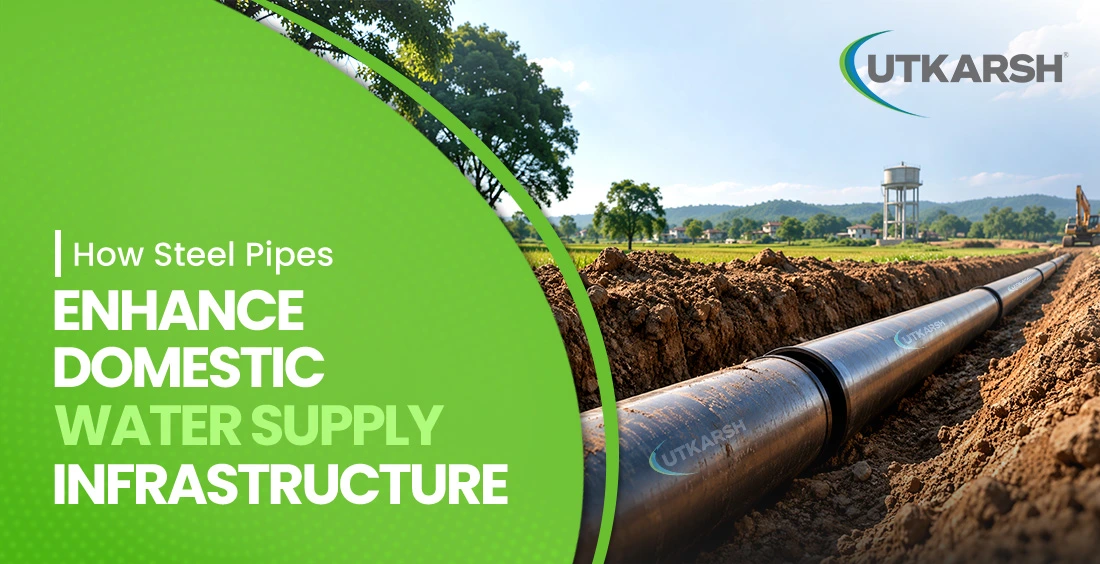
Clean water should reach every tap without delay or waste. But that only happens when the pipes carrying it are strong enough to handle the job. This is where steel steps in.
A well-planned domestic water supply system depends on pipes that can resist pressure, corrosion, and years of daily wear. Steel pipes, especially galvanized steel pipes, have become a trusted choice for builders, municipalities and homeowners across the country.
Why Water Supply Infrastructure Needs Strong Pipes
Water infrastructure is not just about laying pipes underground. It is about making sure water stays clean, pressure stays steady, and the system lasts for decades.
Weak or low-quality pipes cause common problems such as:
- Frequent leaks and bursts
- Rust particles mixing with drinking water
- Pressure loss across long pipeline stretches
- High repair and replacement costs
A strong domestic water supply system avoids these issues from the start. That is why pipe material matters as much as pipe size or layout.
What are Galvanized Steel Pipes?
Galvanized steel pipes are made from mild steel that is coated with a layer of zinc metal; this process is known as galvanization. This coating acts like a shield to protect the underneath from rust, moisture and corrosion.
At Utkarsh India, galvanised steel pipes go through an advanced 7-tank hot-dip galvanisation in gi pipe production process to coat steel pipes and fabricated structures with high-purity zinc, protecting the metal from rust and corrosion. This gives the pipes a tough outer layer that can handle harsh weather, underground moisture, and constant water flow without breaking down.
Key Benefits of Steel Pipes for Domestic Water Supply
- Long Service Life: Galvanization steel pipes can last for decades with proper installation. The zinc coating slows down rust, which means fewer replacements and lower long-term cost for homeowners and contractors.
- High Pressure Resistance: The water path often run through tight space, uphill routes and multi-storey buildings. Steel pipes handle high water pressure well, which keeps supply steady even in demanding conditions.
- Corrosion Resistance: One of the biggest threats to underground and exposed water lines. The galvanised pipe fights off rust and keeps the water intact and untouched for the long terms.
- Easy to Install and Maintain: Steel pipes work well with threaded or plain-end fittings. This makes installation simpler for plumbers and reduces the chances of leaks at joints.
- Safer for Drinking Water: Galvanized steel pipes are widely used in potable water systems because they do not easily leach harmful substances into water when manufactured and maintained correctly.
- Strength Under Pressure: Compared to plastic alternatives, steel pipes offer higher tensile strength. This makes them a reliable choice for main supply lines that carry large volumes of water.
Steel Pipes vs Other Piping Materials
| Feature | Galvanized Steel Pipes | PVC/HDPE Pipes |
|---|---|---|
| Strength | High | Moderate |
| Corrosion Resistance | Strong (zinc coated) | Strong (non-metallic) |
| Best Use | Main lines, high-pressure areas | Internal plumbing, flexible routing |
| Lifespan | 20 to 50 years | 20 to 30 years |
| Installation | Threaded/welded joints | Solvent or heat-fused joints |
Many modern domestic water distribution networks actually use a mix of both. Steel pipes handle the heavy-duty main lines, while PVC or HDPE pipes manage internal plumbing.
Also Read: PVC Pipe Sizes Explained Complete Guide for Buyers
Where Steel Pipes Are Used in Domestic Water Distribution
Steel pipes play a role across many parts of a water supply infrastructure, including:
- Main water supply lines for residential colonies
- Overhead tank connections
- Municipal water distribution networks
- Rural water supply schemes
- Borewell and pumping station connections
- Fire sprinkler systems linked to domestic buildings
Government schemes such as Jal Jeevan Mission rely heavily on durable piping like galvanized steel to bring safe water to households across rural and semi-urban India.
Tips to Maintain Steel Pipes for Longer Life
- Inspect pipes regularly for surface damage or leaks
- Avoid contact with harsh chemicals that can strip the zinc coating
- Use proper fittings to prevent joint leakage
- Keep exposed sections away from constant moisture where possible
- Schedule periodic maintenance checks for large-scale systems
Why Choose Utkarsh India for Steel Pipes
Utkarsh India, the best infrastructure company in India, manufactures GI pipes and other steel products that meet international and Indian quality standards. Our pipes go through a 7-tank galvanization process using 99.5% pure zinc, sourced from Hindustan Zinc Limited. Every batch is hydro-tested and checked through non-destructive testing to confirm leak-proof quality.
We have supplied pipes for major water projects, including the Jal Jivan Mission in Sikkim and PHE Division water supply schemes in West Bengal. Whether you need pipes for a housing project or a large municipal network, Utkarsh India offers reliable solutions built to last.
FAQs
1. Why are galvanized steel pipes preferred for domestic water supply?
They resist corrosion, handle high pressure, and last for decades, which makes them a durable and safe choice for carrying drinking water.
2. How long do galvanized steel pipes last in a water supply system?
With proper installation and maintenance, galvanized steel pipes can last between 20 and 50 years.
3. Are steel pipes safe for drinking water?
Yes. When manufactured to proper standards, galvanized steel pipes are safe for potable water use and are widely approved for domestic water supply systems.
4. Can steel pipes be used alongside PVC or HDPE pipes?
Yes. Many domestic water distribution systems use steel pipes for main lines and PVC or HDPE pipes for internal plumbing.
5. What size steel pipe is used for domestic water supply?
Pipe sizes typically range from 15mm for internal plumbing to larger diameters like 32mm or 50mm for main supply lines, depending on the project's water flow needs.