

Industrial Water Lines Maintenance Tips by One of the Leading CPVC Pipe Manufacturer
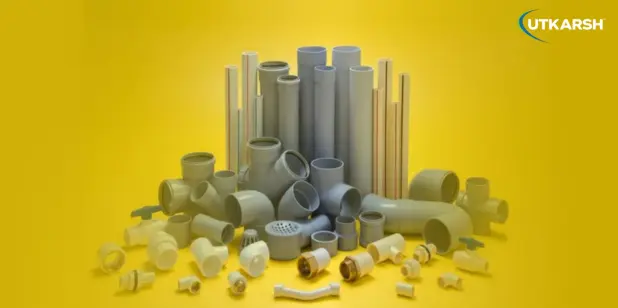
Industrial water lines are designed to handle significantly higher volumes, pressure, and temperature variations compared to residential systems. Whether used for water supply or chemical transportation, these pipelines are critical to operational efficiency and plant safety.
Without proper maintenance, even the most durable systems can develop leaks, corrosion, or contamination risks. Implementing a structured maintenance strategy not only extends pipeline life but also prevents costly downtime.
Here are some essential maintenance tips to ensure your industrial water lines perform optimally:
1. Conduct Regular and Thorough Inspections
Routine inspection is the backbone of any effective maintenance plan. Over time, pipelines can develop cracks, corrosion, or weak joints that may not be visible at first glance.
During inspections, focus on:
- Checking pipe surfaces for visible damage or wear
- Identifying corrosion-prone areas
- Inspecting joints and connections for looseness or leakage
- Replacing or repairing damaged sections immediately
Early detection helps prevent minor issues from escalating into major failures.
2. Identify and Address Leaks Promptly
Leaks in industrial pipelines can lead to water loss, reduced efficiency, and even structural damage to the facility.
Common ways to detect leaks include:
- Monitoring water meters for unexpected movement
- Listening for hissing or dripping sounds
- Checking for damp spots or water accumulation
- Observing pressure drops in the system
Addressing leaks early not only saves resources but also protects surrounding infrastructure.
3. Upgrade to Modern Piping Solutions
Older piping systems may not meet the demands of modern industrial operations. Upgrading outdated pipelines can significantly improve safety and efficiency.
Many industries today prefer CPVC pipes fittings due to their:
- High resistance to corrosion and chemicals
- Ability to handle both hot and cold water
- Long service life with minimal maintenance
Upgrading ensures a leak-free, durable, and future-ready piping system.
4. Implement Preventive Maintenance Practices
Preventive maintenance focuses on avoiding problems before they occur. Instead of waiting for breakdowns, industries should adopt scheduled maintenance routines.
This includes:
- Periodic system checks by trained professionals
- Cleaning and flushing pipelines
- Monitoring pressure and flow levels
- Replacing worn-out components proactively
A well-planned preventive strategy minimizes downtime and keeps operations running smoothly.
Also Read: Reasons To Choose CPVC Pipes For Industrial Water Process
Why Quality Materials Matter
Choosing high-quality materials plays a crucial role in long-term performance. Advanced piping solutions are engineered to withstand harsh industrial environments, including exposure to chemicals and extreme temperatures.
Modern CPVC systems are:
- Corrosion-resistant
- Bacteria-resistant
- Impact-resistant
- Suitable for both water and chemical transport
Reliable materials reduce maintenance frequency and ensure consistent performance.
Conclusion
Maintaining industrial water lines is not just about fixing issues—it’s about preventing them. With regular inspections, timely upgrades, and a proactive maintenance approach, industries can ensure safety, efficiency, and long-term reliability.
Investing in advanced piping solutions and following best practices will ultimately save costs, reduce risks, and enhance overall operational performance.
Frequently Asked Questions (FAQs)
1. How often should industrial water lines be inspected?
Industrial water lines should ideally be inspected at least once every 3–6 months. However, high-usage systems or those exposed to chemicals may require more frequent checks to ensure safety and efficiency.
2. Why are CPVC pipes preferred in industrial applications?
CPVC pipes are widely used because they offer excellent resistance to corrosion, chemicals, and high temperatures. They are durable, low-maintenance, and suitable for both water and chemical transportation.
3. What are the early signs of pipe failure in industrial systems?
Common signs include unusual drops in water pressure, visible leaks, corrosion on pipe surfaces, strange noises (like hissing), and unexpected increases in water consumption. Detecting these early can prevent major system failures.